Debunking Myths About AI Startups: What You Really Need to Know
As artificial intelligence continues to evolve, so does the number of startups jumping on the AI bandwagon. However, with this boom comes a slew of myths and misconceptions. Let’s debunk some of these myths and shed light on what’s really happening in the world of AI startups.
Myth 1: AI Startups Are All About Robots
When people think of AI, they often envision humanoid robots or sentient machines. However, most AI startups focus on software-driven solutions rather than physical robots. These companies are developing algorithms and systems that can analyze data, recognize patterns, and make decisions.
From healthcare to finance, AI is being integrated into various industries to optimize processes and deliver insights. For instance, in healthcare, AI can assist in early diagnosis and personalized treatment plans.

Myth 2: AI Startups Require Huge Initial Investments
Another common misconception is that starting an AI company requires a massive amount of capital. While it’s true that some AI projects can be expensive, many startups begin with minimal resources. Advances in technology, such as cloud computing, have made it easier and more affordable to develop and deploy AI solutions.
Moreover, numerous incubators and accelerators are available to provide support, mentorship, and funding opportunities to budding AI entrepreneurs.
Myth 3: Only Tech Experts Can Start AI Companies
While technical knowledge is beneficial, it’s not the only requirement for launching an AI startup. Successful AI companies often have a diverse team that includes domain experts, business strategists, and marketing professionals, in addition to tech gurus.

Collaboration between different skill sets is essential for developing AI solutions that are not only technologically sound but also marketable and scalable.
Myth 4: AI Will Replace All Human Jobs
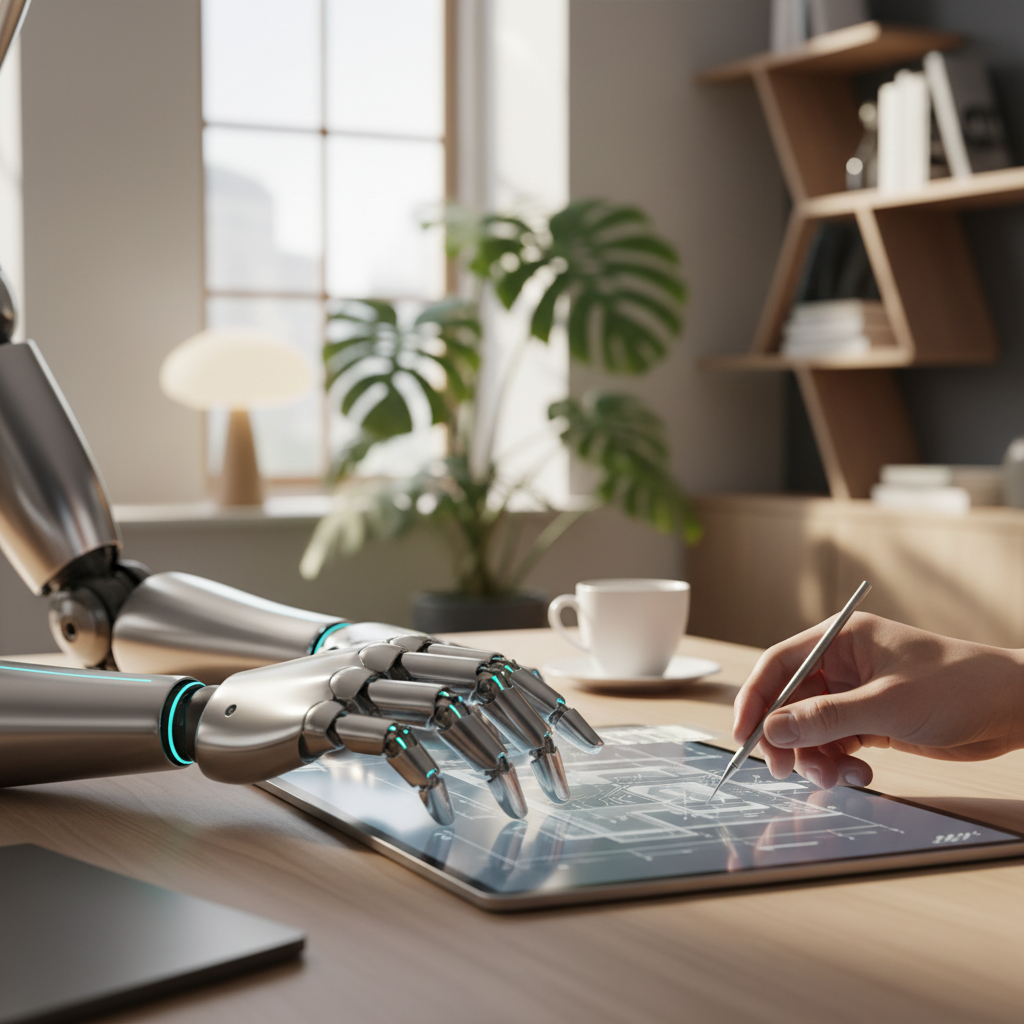
The fear that AI will lead to massive job loss is widespread, but the reality is more nuanced. AI has the potential to automate certain tasks, but it also creates new opportunities and roles. Many startups are working on AI solutions that enhance human capabilities rather than replace them.
For example, AI can handle repetitive tasks, allowing humans to focus on more complex, creative, or strategic work.
Myth 5: AI Startups Can Instantly Scale
While AI technology can be powerful, scaling a startup is rarely instant. Like any other business, AI startups face challenges such as market competition, customer acquisition, and product development. It requires careful planning, testing, and iteration to grow sustainably.
Understanding customer needs and continuously refining AI solutions are crucial steps in the journey of scaling an AI startup.
Conclusion
AI startups are paving the way for innovative solutions across various sectors, but they are not without their challenges and misconceptions. By debunking these myths, we can better appreciate the true potential of AI and the hard work that goes into building these groundbreaking companies.